Helping Hand Services: Trusted In-Home Senior Care in Birmingham for Over 50 Years
Senior Nutrition Support in Birmingham: Why Proper Nutrition Matters
Meta Description: Discover how nutrition support and meal assistance help Birmingham seniors stay healthy, hydrated, and independent with in-home companion care.
Introduction
March is National Nutrition Month, making it the perfect time to talk about one of the most overlooked aspects of senior health: proper nutrition.
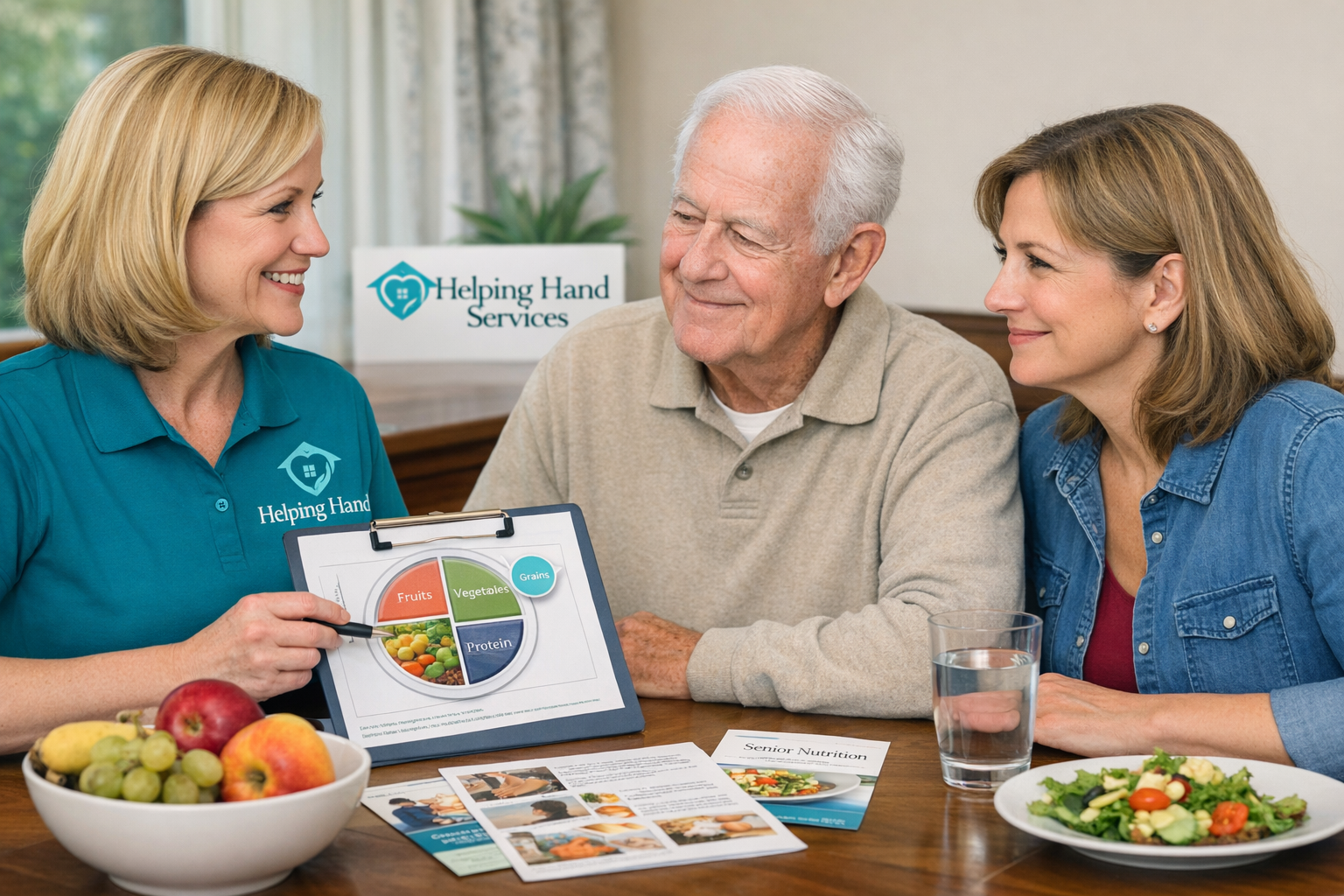
Why Nutrition Is Critical for Seniors
Healthy nutrition helps seniors maintain strength, immune health, energy levels, and cognitive function. Unfortunately, many older adults living alone struggle with grocery shopping, cooking, and remembering to eat regularly.
Common Causes of Malnutrition in Seniors
- Difficulty cooking or shopping
- Loss of appetite
- Medication side effects
- Limited mobility
- Living alone
Signs of Poor Nutrition
- Unintentional weight loss
- Fatigue or weakness
- Confusion
- Dehydration
- Frequent illness
How Companion Care Supports Healthy Eating
Caregivers assist with grocery shopping, meal preparation, hydration reminders, and ensuring seniors eat balanced meals. This daily support helps maintain energy levels and prevents health complications.
Helping Birmingham Seniors Stay Healthy at Home
Helping Hand Services provides companion care that supports daily wellness including meal assistance, grocery support, and hydration monitoring.
Call to Action
If you are worried your parent is not eating well, contact Helping Hand Services to discuss how in-home companion care can help.
Fall Prevention for Seniors in Birmingham: Protecting Aging Adults from Brain Injury
Meta Description: Learn how fall prevention and in-home care can reduce traumatic brain injury risk for seniors in Birmingham, AL. Helping Hand Services shares safety tips and support options.

Introduction
March is National Brain Injury Awareness Month, and one of the leading causes of traumatic brain injury (TBI) in older adults is falls. For families in Birmingham, a single fall can change the course of a senior’s independence overnight. Understanding fall risks and implementing preventive care at home can significantly reduce injuries.
Why Falls Are So Dangerous for Seniors
As adults age, balance, muscle strength, and vision naturally decline. Medications can also cause dizziness or confusion. Because of these changes, falls can lead to serious complications including traumatic brain injuries, hip fractures, long hospital stays, and a loss of independence.
Common Fall Risk Factors
- Poor lighting in the home
- Loose rugs or cluttered walkways
- Medication side effects
- Weakness or mobility challenges
- Lack of supervision during transfers
How In‑Home Care Helps Prevent Falls
Professional caregivers help reduce fall risks by providing mobility assistance, supervising transfers, ensuring safe walking paths, and supporting seniors with daily routines. Consistent support can dramatically reduce the likelihood of injuries and provide additional support when accidents do happen.
Signs Your Parent May Be at Risk of Falling
- Holding onto furniture when walking
- Fear of walking alone
- Recent medication changes
- Previous falls or near-falls
- Difficulty standing up from chairs
How Helping Hand Services Supports Birmingham Seniors
Helping Hand Services provides companion sitters and in-home caregivers who focus on safety, supervision, and independence. For more than 50 years, Birmingham families have trusted our team to provide compassionate care that helps seniors remain safe at home.
Call to Action
If you are concerned about fall risks for a loved one, schedule a free consultation with Helping Hand Services to discuss a personalized care plan.
National Cancer Prevention Month: Helping Seniors Stay Proactive About Their Health
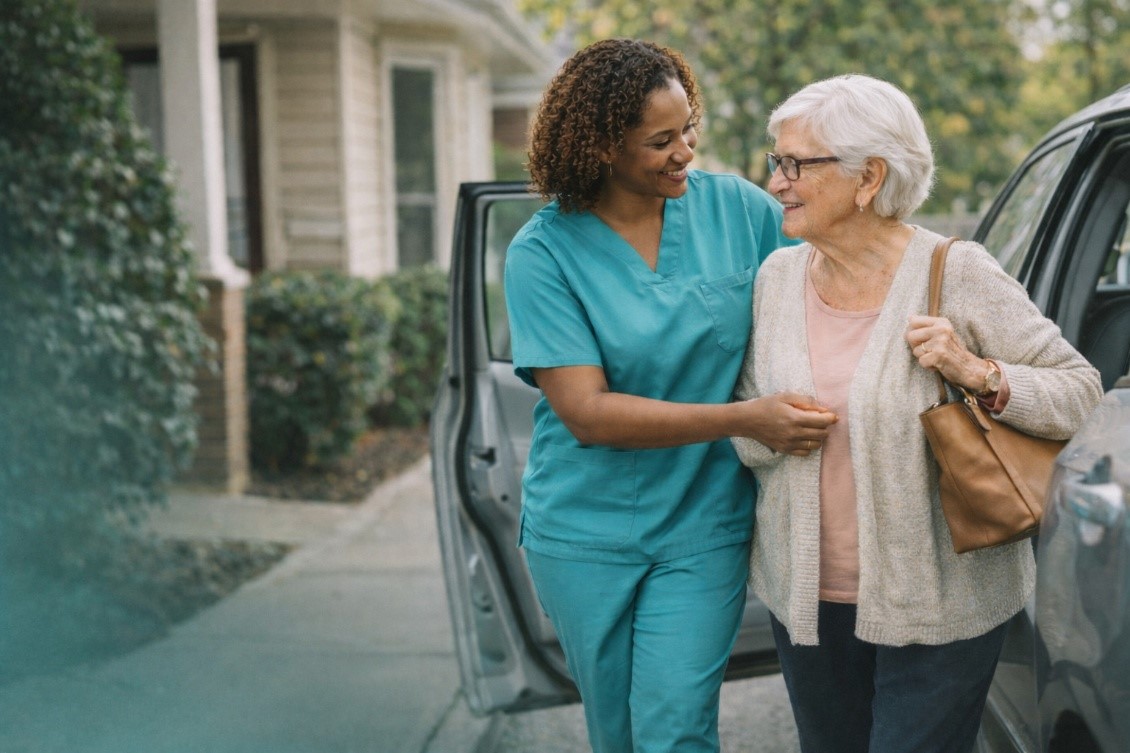
Understanding National Cancer Prevention Month
February is National Cancer Prevention Month, emphasizing the importance of early detection, healthy habits, and ongoing medical care. While cancer risk increases with age, proactive prevention and routine screenings can greatly improve outcomes.
Cancer Prevention Tips for Older Adults
Key prevention strategies for seniors include:
- Staying current on age-appropriate screenings
- Avoiding tobacco and limiting alcohol
- Maintaining a nutritious, balanced diet
- Protecting skin from sun exposure
The Role of In-Home Care in Cancer Prevention
Caregivers play an essential role in supporting seniors by:
- Scheduling and providing transportation to screenings
- Helping track symptoms or changes in health
- Preparing healthy meals
- Reducing stress and isolation through companionship
Birmingham Cancer Support Resources
- UAB O’Neal Comprehensive Cancer Center
- American Cancer Society – education, transportation assistance, and caregiver resources
Trusted Care for Every Stage of Life
Helping Hand Services offers non-medical support that helps seniors remain safe, supported, and proactive about their health while aging at home.
Trusted Care for Every Stage of Life
Request our free Senior Health Support Guide or schedule a consultation today.
American Heart Month: Supporting Heart Health for Seniors in Birmingham, AL

Why American Heart Month Matters for Older Adults
February is American Heart Month, a time dedicated to raising awareness about cardiovascular health. Heart disease remains the leading cause of death among older adults in the United States, making prevention, monitoring, and lifestyle support especially important for seniors. As we age, changes in blood vessels, metabolism, and activity levels can increase the risk of high blood pressure, heart disease, and stroke. The good news? Many risk factors can be managed with proper support and daily care.
Heart-Healthy Tips for Seniors
Older adults can protect their heart health by focusing on small, sustainable habits:
- Daily movement: Walking, stretching, or chair exercises help improve circulation
- Balanced nutrition: Low-sodium meals with lean protein, fruits, and vegetables
- Medication adherence: Taking prescriptions as directed is critical
- Regular monitoring: Watching for swelling, dizziness, or shortness of breath
How In-Home Care Supports Heart Health
Non-medical in-home caregivers provide meaningful assistance for seniors managing heart conditions by:
- Preparing heart-healthy meals
- Providing medication reminders
- Offering transportation to cardiology appointments
- Encouraging light physical activity and companionship
Local Birmingham Resource:
American Heart Association offers heart-health education and community programs throughout Alabama.
Compassionate Support at Home
Helping Hand Services has supported Birmingham seniors for over 50 years, offering trusted companion care that promotes independence and well-being at home.
Call to Action:
📞 Contact Helping Hand Services today to schedule a free heart-healthy care consultation.
AMD & Low Vision Awareness Month: Supporting Seniors with Vision Loss at Home

Understanding Age-Related Macular Degeneration
February is Age-Related Macular Degeneration (AMD) and Low Vision Awareness Month, highlighting one of the most common causes of vision loss among older adults.
Vision impairment can affect safety, confidence, and independence—especially when living alone.
Signs of Vision Decline in Seniors
Common warning signs include:
- Blurred or distorted central vision
- Difficulty reading or recognizing faces
- Trouble navigating familiar spaces
- Increased sensitivity to light
How In-Home Care Helps Seniors with Low Vision
Non-medical caregivers provide vital support by:
- Improving home safety through better lighting and organization
- Assisting with mail, medication labels, and daily tasks
- Providing transportation to eye appointments
- Offering companionship and emotional reassurance
Vision Support Resources in Birmingham
- Alabama Institute for Deaf and Blind
- UAB Callahan Eye Hospital
Helping Seniors Stay Independent at Home
Helping Hand Services supports seniors with vision challenges by providing dependable companion care tailored to individual needs.
Call to Action:
Schedule a free in-home safety consultation for seniors with vision loss.
Glaucoma Awareness Month: Protecting Vision as We Age
January is Glaucoma Awareness Month, an important reminder that vision loss isn’t always a normal part of aging.
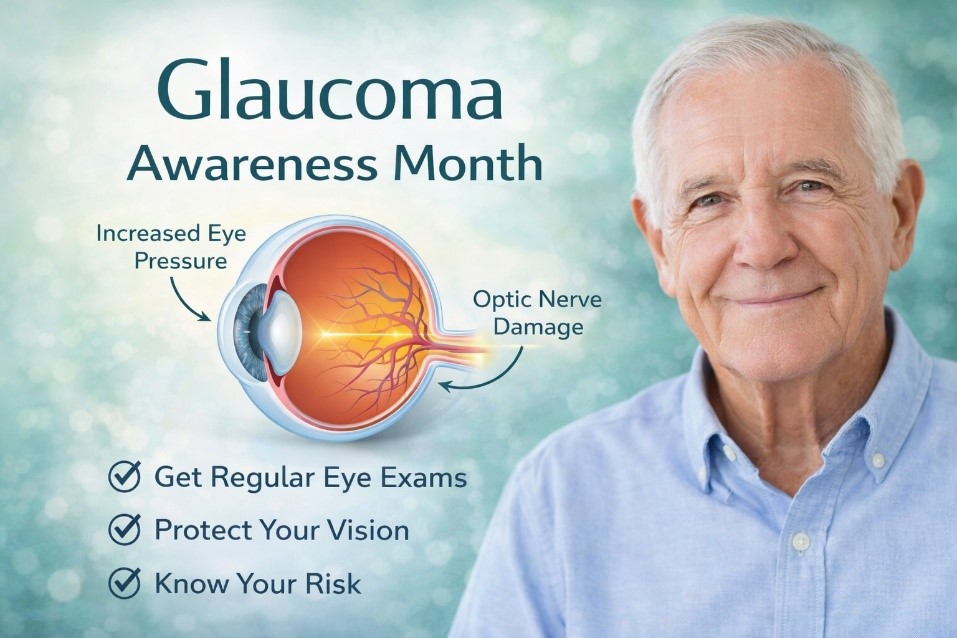
What is glaucoma?
Glaucoma is a group of eye conditions that damage the optic nerve, often caused by increased pressure in the eye. It is one of the leading causes of blindness—but it’s preventable with early detection.
Why is glaucoma dangerous?
- Often called the “silent thief of sight”
- Usually no early warning signs
- Vision loss is permanent if untreated
Who is at higher risk?
- Adults over 60
- Those with diabetes or high blood pressure
- Individuals with a family history of glaucoma
How to protect vision?
- Schedule regular comprehensive eye exams
- Follow the prescribed eye drop or treatment plans
- Maintain overall health through nutrition and activity
Local Birmingham Resources
- UAB Callahan Eye Hospital – Nationally recognized eye care and glaucoma specialists
- EyeCare Associates – Multiple locations for routine eye exams
- Alabama Lions Sight Program – Vision support resources for qualifying individuals
How do caregivers make a difference?
- Provide transportation to eye appointments
- Assist with eye drop schedules
- Help reduce fall risks related to vision loss
Preserving vision supports independence, safety, and quality of life—especially for seniors aging at home.
Thyroid Awareness Month: A Small Gland With a Big Impact
January is Thyroid Awareness Month, shining a light on a condition that often goes undiagnosed—especially in older adults.
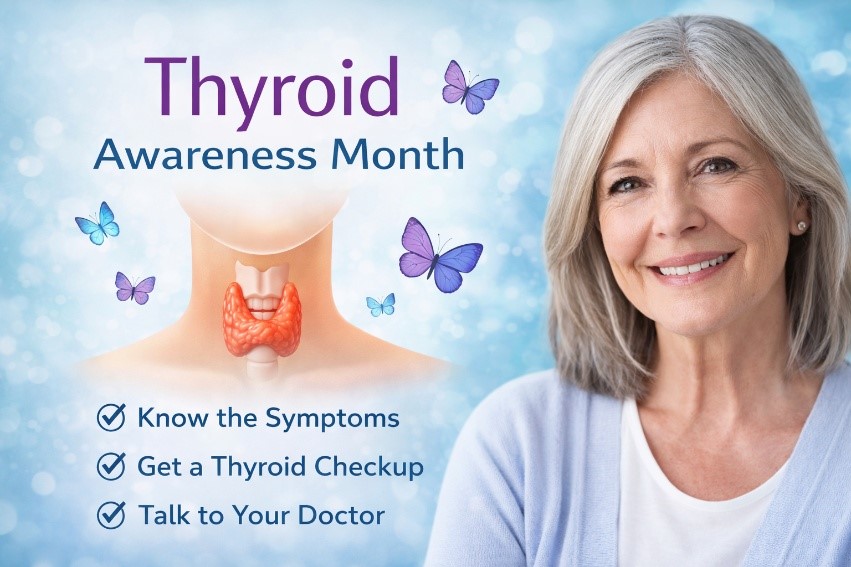
What does the thyroid do?
The thyroid gland regulates metabolism, heart rate, body temperature, and energy levels. When it’s not functioning properly, it can affect nearly every system in the body.
Common thyroid disorders
- Hypothyroidism (underactive thyroid): fatigue, weight gain, depression
- Hyperthyroidism (overactive thyroid): weight loss, anxiety, rapid heartbeat
Why thyroid issues are often missed
Symptoms can look like:
- Normal aging
- Stress or depression
- Side effects of other medications
Why seniors should be screened
- Thyroid disorders are more common with age
- Simple blood tests can confirm diagnosis
- Treatment can dramatically improve quality of life
Local Birmingham resources
- UAB Endocrinology – Diagnosis and treatment of thyroid disorders
- St. Vincent’s Birmingham – Primary care and endocrine referrals
- Grandview Medical Center – Blood testing and specialist access
How home care support helps
Caregivers can assist by:
Monitoring symptoms
Helping with medication adherence
Encouraging follow-up care
If you or a loved one seems unusually tired, anxious, or “not quite themselves,” a thyroid check may be worth discussing with a provider.
Cervical Cancer Awareness Month: Why Early Detection Matters
January is Cervical Cancer Awareness Month, a time to raise awareness about prevention, screening, and early detection. Cervical cancer is one of the most preventable cancers when caught early—yet many women delay routine screenings.

What is Cervical Cancer?
Cervical cancer develops in the cells of the cervix and is most commonly caused by certain strains of HPV (human papillomavirus).
Why Awareness is Important?
- Early stages often have no symptoms
- Routine screenings can detect changes before cancer develops
- Treatment outcomes are significantly better when caught early
Key Prevention and Screening Tips
- Schedule regular Pap tests and HPV screenings as recommended
- Discuss HPV vaccination with your healthcare provider
- Report unusual symptoms such as pelvic pain or abnormal bleeding
How Caregivers and Families Can Help
Adult children and caregivers can play a vital role by:
- Helping loved ones schedule appointments
- Providing transportation or reminders
- Encouraging open conversations about preventive care
Local Birmingham Resources
- UAB O’Neal Comprehensive Cancer Center – Advanced screening, treatment, and education
- Jefferson County Department of Health – Low-cost women’s health screenings
- Planned Parenthood Southeast – Cervical cancer screenings and preventive care
At Helping Hand Services, we believe education and early action are essential parts of healthy aging. Supporting preventive care helps seniors stay independent and well.
Need help with appointment reminders or transportation support? We’re here to help. Call today to schedule a free consultation.
Colder Weather & Senior Comfort: How to Keep Your Loved Ones Safe and Warm This Winter
As the temperatures begin to drop in Alabama, many families start thinking about holiday traditions, cozy meals, and time spent indoors. But for seniors—especially those living alone or managing chronic health conditions—the colder months can bring unique risks and challenges.
Older adults are more sensitive to cold temperatures due to natural changes in circulation, mobility, and overall health. They may also be more vulnerable to slips and falls, dehydration, or seasonal loneliness. The good news is that a few preventive steps can make you home a safe and comfortable place all winter long.
At Helping Hand Services, we believe staying warm is more than just a physical need—it is a vital part of overall well-being. Below are helpful tips for families and caregivers to support their loved ones through the winter season.
Why Seniors Feel the Cold More Intensely
As we age, our bodies change in ways that make cold weather harder to manage. Seniors may experience:
- Reduced circulation, causing hands and feet to feel colder
- Slower metabolism, which can make it harder to regulate body temperature
- Less muscle mass provides less natural insulation
- Chronic conditions such as diabetes or arthritis that worsen with cold exposure
- Medications that may affect temperature regulation
Understanding these changes can help families take proactive steps to keep their loved ones safe.
Practical Ways to Keep Seniors Warm and Comfortable
-
Maintain a Safe Indoor Temperature: Keep the home between 68–70°F. Space heaters should be used carefully and include safety features such as an automatic shut-off.
-
Encourage Layers and Warm Fabrics: Soft, breathable layers help trap heat without restricting movement. Sweaters, thermal shirts, warm socks, and blankets can make a noticeable difference.
-
Prevent Slips and Falls: Cold weather can create slick surfaces and mobility challenges. Ensure rugs are secured, socks have non-slip grips, walkways are clear, and lighting is adequate.
-
Prioritize Hydration and Nutrition: Dehydration is common during colder months. Warm drinks, soups, and nutrient-rich meals provide both comfort and energy.
-
Check Heating Systems and Safety Devices: Seasonal checks help confirm heating systems are working properly, smoke and carbon monoxide detectors are functioning, filters are clean, and space heaters are safely positioned.
-
Offer Companionship and Emotional Support: Winter can feel long and isolating. Regular visits, friendly conversation, and emotional support are especially meaningful during the holidays.
How Helping Hand Services Supports Seniors During Winter
Our caregivers provide compassionate, reliable support to help seniors stay warm, safe, and engaged at home. We can assist with:
- Warm meal preparation
- Extra layers, blankets, and comfort measures
- Fall-prevention practices
- Light housekeeping
- Transportation
- Companionship and social connection
- Home safety checks
Whether your loved one needs a few hours a week or full-time care, we are here to help families navigate the season with confidence and peace of mind.
Schedule a Free Home Safety & Comfort Check
Winter is a wonderful time to focus on connection, comfort, and family. Let us help ensure your loved ones enjoy the season safely.
📞 Call Helping Hand Services today at (205) 945-1333
🌐 helpinghandservicesal.com
📧 [email protected]
Because every senior deserves warmth, comfort, and a helping hand—no matter the weather.
Flu Vaccination Week: Protecting Seniors, Families, and Caregivers This Season
Each year, millions of Americans are affected by the flu—and for older adults, the risks are even higher. As we observe Flu Vaccination Week, it’s the perfect time to remind ourselves and our loved ones how important it is to stay protected throughout the flu season.
For seniors, caregivers, and families navigating health needs at home, prevention is more than a recommendation—it’s a key part of maintaining independence, safety, and quality of life.
Why Flu Vaccination Matters for Seniors
Adults ages 65 and older are among the most vulnerable to flu-related complications because the immune system naturally weakens with age. The flu can lead to serious illness such as:
- Pneumonia
- Worsening of chronic conditions like COPD, diabetes, or heart disease
- Hospitalization
- Long-term recovery challenges
A flu vaccination significantly reduces the risk of severe illness, hospitalization, and flu-related complications.
Protecting Caregivers Protects Everyone
At Helping Hand Services, our caregivers understand the importance of keeping clients safe—especially during flu season. Each vaccinated caregiver not only protects themselves but also adds a layer of protection for every senior we serve.
- Reduce the spread of illness in the home
- Provide peace of mind to families
- Maintain continuity of care without unexpected interruptions
How to Stay Protected This Flu Season
- Get Vaccinated: It’s not too late! Flu Vaccination Week serves as a reminder that getting the flu shot—even mid-season—offers valuable protection.
- Wash Hands Frequently: Proper hand hygiene is still one of the most effective ways to stop the spread of germs.
- Clean High-Touch Surfaces: Regularly sanitize doorknobs, light switches, phones, and remote controls.
- Stay Home if Sick: If you or a loved one shows flu-like symptoms, avoid public places and notify your doctor.
- Keep a Healthy Routine: Adequate sleep, hydration, nutrition, and light exercise support immune health.
How Helping Hand Services Can Support You
Flu season can feel overwhelming, especially for seniors living alone or recovering from illness. Our trained caregivers can help keep your loved ones safe by providing:
- Assistance with daily activities
- Meal preparation and hydration reminders
- Light housekeeping and sanitation
- Support during illness or recovery
- Transportation to flu shot appointments
- Compassionate companionship and monitoring
We are committed to delivering reliable, high-quality care—all year long.
Stay Safe This Flu Season
If you have questions about how in-home care can help protect your loved ones during flu season, we’re here to support you.
📞 Call: (205) 945-1333
🌐 Visit: helpinghandservicesal.com
📩 Email: [email protected]
Helping Hand Services—Mature Companion Sitters
Supporting Birmingham families for over 50 years.
Diabetes Awareness: Understanding the Condition & Supporting Senior Health
Diabetes affects more than 38 million Americans, and its impact grows as we age. For seniors and their families, understanding the signs, risks, and day-to-day management of diabetes is essential—not only for health, but also for maintaining independence and quality of life.
At Helping Hand Services, we believe education is one of the most powerful tools caregivers and families can use to support loved ones living with diabetes. Below, we break down what you need to know and how in-home care can help.
What Is Diabetes?
Diabetes is a chronic condition that affects how the body turns food into energy. When the body either doesn't produce enough insulin or cannot use insulin effectively, glucose builds up in the blood. Over time, high blood sugar can damage major organs, blood vessels, and nerves.
The Two Most Common Types
- Type 1 Diabetes: An autoimmune condition where the body doesn't make insulin. It’s less common in older adults but still possible.
- Type 2 Diabetes: The most common type, especially among seniors. The body becomes resistant to insulin or doesn’t use it efficiently.
Why Diabetes Awareness Matters for Seniors
- Decreased mobility
- Challenges preparing healthy meals
- Medication confusion
- Vision or sensory changes
- Increased risk of complications such as heart disease, neuropathy, and wounds that heal slowly
Common Signs & Symptoms to Watch For
- Increased thirst and urination
- Fatigue or weakness
- Blurred vision
- Unexplained weight loss
- Slow-healing cuts or sores
- Tingling or numbness in hands or feet
- Frequent infections
Daily Management Tips for Seniors Living With Diabetes
- Balanced Nutrition: Lean proteins, high-fiber foods, fresh vegetables, limited sweets and processed snacks, consistent meal times. Caregivers can help with meal prep and planning.
- Staying Active: Gentle activities like walking, stretching, and light home exercises help lower blood sugar.
- Medication Support: Assistance ensuring medications are taken correctly and on time.
- Monitoring Blood Sugar: Regular checks help identify patterns and prevent dangerous highs or lows.
- Foot Care: Daily inspections, clean socks, supportive shoes, and attention to any sores or changes.
How In-Home Care Supports Seniors With Diabetes
- Meal preparation tailored to dietary needs
- Medication reminders
- Transportation to medical appointments
- Assistance with mobility and exercise
- Monitoring for symptoms or changes
- Companionship to reduce stress and isolation
The Importance of Early Detection
Diabetes is highly manageable when identified early. Staying observant and informed is one of the best ways to protect your loved one’s long-term health.
Need Support Managing Diabetes at Home?
If you or a loved one are living with diabetes and need help maintaining daily routines, preventing complications, or enjoying greater peace of mind, Helping Hand Services is here for you.
📞 Call us today at (205) 945-1333
🌐 helpinghandservicesal.com
📬 [email protected]
Honoring National Hospice & Palliative Care Month: Understanding the Support Families Deserve
Every November, we observe National Hospice and Palliative Care Month—a time dedicated to raising awareness about compassionate end-of-life care and the specialized support that helps individuals and families navigate some of life’s most challenging moments. At Helping Hand Services in Birmingham, we work closely with hospice teams across Alabama to ensure seniors and their families receive comfort, dignity, and meaningful connection during this chapter of care.
Whether your loved one is beginning hospice services or you’re exploring palliative care for symptom management, understanding the differences—and how in-home support can complement both—is essential.
What Is Hospice Care?
Hospice care is designed for individuals with a terminal diagnosis who are no longer pursuing curative treatments. The focus shifts toward comfort, emotional support, pain management, and quality of life. Hospice services often include:
- Skilled nursing support
- Pain and symptom management
- Spiritual and emotional support
- Social work and counseling
- Medical equipment delivered to the home
Hospice is typically delivered wherever home is—whether that’s a private residence, assisted living community, or skilled nursing facility.
What Is Palliative Care?
Palliative care is specialized medical care that focuses on relieving symptoms and improving quality of life for individuals facing serious illnesses—regardless of age, prognosis, or treatment plans.
Palliative teams work alongside primary physicians and specialists to help patients better manage:
- Chronic pain
- Shortness of breath
- Nausea
- Fatigue
- Anxiety or depression
- Physical limitations
Unlike hospice, palliative care can be provided at any stage of illness and can be received while continuing treatments.
How Home Care Supports Hospice & Palliative Care
While hospice and palliative teams provide vital medical and emotional support, families often still need daily hands-on assistance—and that’s where Helping Hand Services comes in.
- Personal care (bathing, dressing, grooming)
- Medication reminders
- Meal preparation and feeding assistance
- Light housekeeping and laundry
- Companionship and emotional support
- Transportation and errands
- Respite care so family caregivers can rest
This added layer of non-medical support provides families with peace of mind and ensures loved ones remain comfortable, safe, and cared for at home.
Why Awareness Matters
Many families don’t realize that hospice and palliative care:
✔ Can significantly improve quality of life
✔ Provide specialized team-based support
✔ Offer resources not available through standard medical care
✔ Are often covered by Medicare, Medicaid, and private insurance
Early awareness empowers families to make choices that honor their loved one’s wishes and promote comfort throughout the care journey.
Helping Hand Services: Here When You Need Support
With over 50 years of serving Birmingham and the surrounding Alabama communities, Helping Hand Services is proud to stand alongside hospice and palliative teams to ensure families are supported every step of the way. We believe every senior deserves dignity, comfort, and compassionate care—especially during life’s most tender moments.
If your loved one is receiving hospice or palliative care and needs additional support at home, we’re here to help.
➡️ Call us today at (205) 945-1333
➡️ Visit: helpinghandservicesal.com
➡️ Email: [email protected]
Our team can guide you through your options and provide a free consultation tailored to your family’s needs.
When it comes to caring for loved ones
Birmingham families have turned to Helping Hand Services since 1971. For more than five decades, we’ve provided reliable, compassionate in-home care that helps seniors remain safe, comfortable, and independent at home.
Our Story: A Legacy of In-Home Senior Care in Birmingham, AL
Helping Hand Services was founded by Nancy Ripp, a visionary who saw that families needed more than just occasional help—they needed dependable, ongoing support. Originally a registry for all types of home services, Nancy soon focused on what mattered most to Birmingham families: elder care and companion support.
In 1977, Nancy worked alongside U.S. Senator Allen and Birmingham attorney Gene Sellers to help shape legislation that officially recognized companion care as a profession. This groundbreaking effort gave dignity to caregivers and protections for families across Alabama.
Why Birmingham Families Have Trusted Helping Hand Service for Generations
As the first company of its kind in the region, Helping Hand Services quickly became a trusted name in Birmingham. Families from all walks of life—including respected community leaders and beloved local icons like Bart Starr, Pat Sullivan, John Carroll, and Authur Bagby—turned to Helping Hand for support. Their trust reflected what neighbors across Birmingham already knew: when families needed care, they could count on us.
Leadership That Builds Trust in Birmingham Senior Care
For over 50 years, Helping Hand Services has been guided by strong leadership—from founder Nancy Ripp’s pioneering vision to today’s fresh direction under Heather Atkinson.
A Modern Approach to In-Home Care in Birmingham, AL
Today, Helping Hand Services has transitioned from its original registry model to a direct employee model. Every caregiver is a valued member of our team—not a contractor. This allows us to provide consistent training, ongoing education, and the highest standards of accountability.
For families, this means peace of mind: compassionate caregivers who are confident, supported, and fully committed to the well-being of every client.
Our Mission: Compassionate Care for Seniors in Birmingham
At Helping Hand Services, we believe care is more than a service—it’s a relationship. Our mission is simple: to provide safe, dependable in-home support that allows seniors to live with dignity and independence, while giving families the comfort of knowing their loved ones are in good hands.
Why Families Choose Helping Hand Services in Birmingham, AL
- Over 50 years of Birmingham senior care experience
- Deep local roots and respected community reputation
- Licensed, bonded, and insured caregivers
- Compassionate, trained employees—not contractors
- Flexible care plans starting with just a few hours a week
Get Started with In-Home Senior Care in Birmingham Today
If you’re exploring in-home senior care in Birmingham, AL, Helping Hand Services is here to guide you. Whether you’re caring for a parent, grandparent, or spouse, we’ll walk with you every step of the way.
Call us today to schedule a free consultation or safety inspection.
Supporting Preventive Screenings for Seniors in Birmingham
Colorectal cancer screenings save lives. Learn how transportation and in-home care help Birmingham seniors attend important medical appointments.
Introduction
March is Colorectal Cancer Awareness Month. Preventive screenings are one of the most important steps adults over 50 can take to protect their health.
Why Screenings Matter
Early detection dramatically improves survival rates. Unfortunately, many seniors delay screenings due to transportation challenges or lack of support during appointments.
Barriers Seniors Face
- No longer driving
- Anxiety about medical procedures
- No one available to accompany them
- Difficulty scheduling or remembering appointments
How In-Home Care Supports Medical Appointments
Caregivers can provide transportation, appointment reminders, accompaniment during visits, and supervision after procedures.
Helping Seniors Maintain Preventive Care
Helping Hand Services supports Birmingham seniors by ensuring they can safely attend important medical appointments.
Call to Action
If your loved one needs help attending appointments, contact Helping Hand Services to learn about transportation and companion support.